Cost Guide · Updated August 2026
Septic System Cost in Flagstaff, AZ
As of August 2026, a conventional septic system installation in the Flagstaff, AZ / Coconino County area typically costs $12,000–$25,000, while an engineered or alternative system — required on rock or impervious soils like Mountainaire's — often runs $20,000 or more. Routine septic tank pumping runs $300–$600. Flagstaff Septic Pros can connect you with a local, CR-41-licensed contractor for a quote specific to your property.
Every dollar figure on this page below is sourced and dated — and every one comes with an honest caveat: no Flagstaff- or Coconino County-specific published septic pricing exists anywhere as of this writing. That's not a gap unique to this site; it's the actual state of the published data. What follows is 2026 national and regional cost-guide data, one Arizona-specific figure where we found one, and Coconino County/ADEQ's own published permit fee table where it applies. See the methodology note below the table before you use any figure to budget.
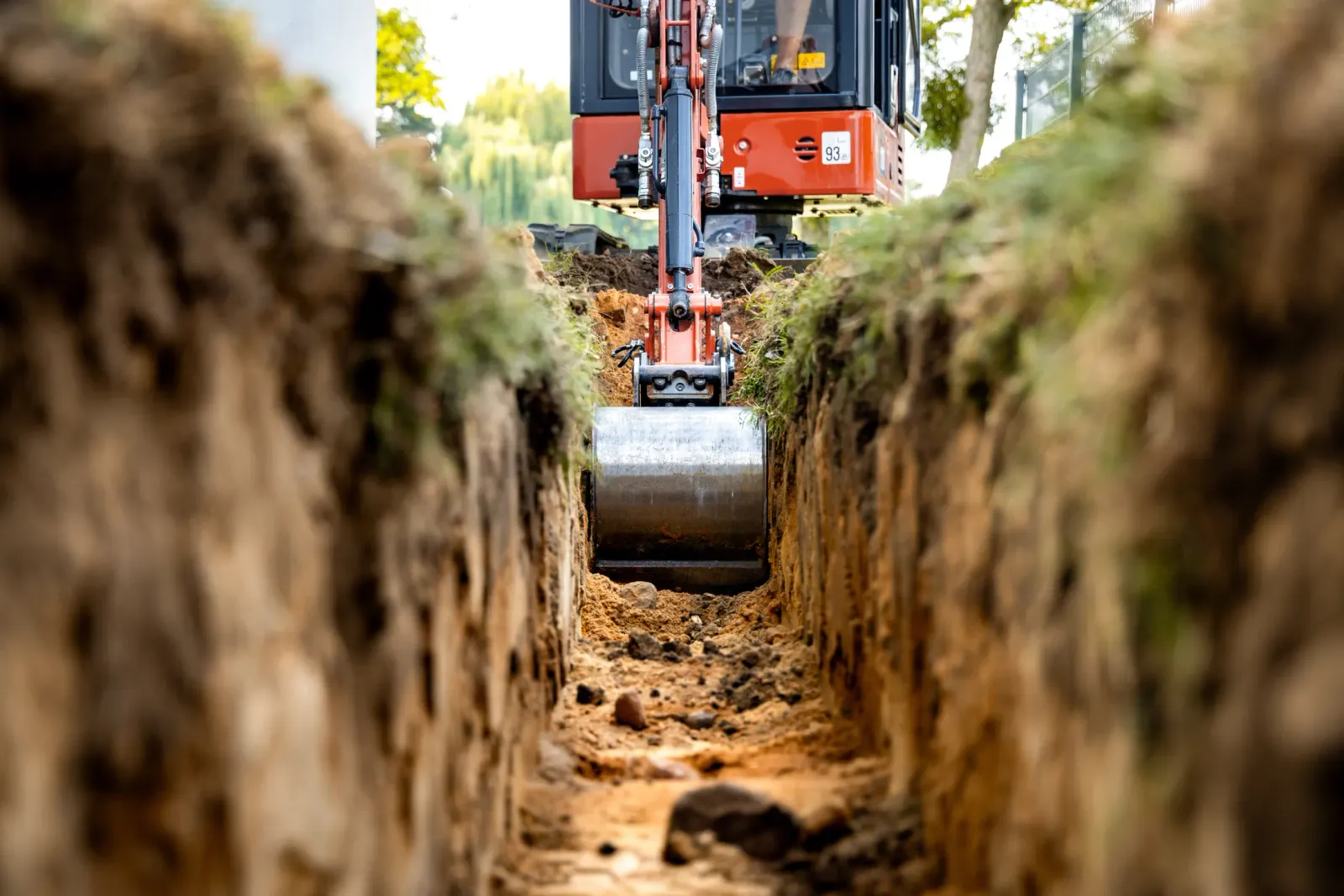
Flagstaff-Area Septic Cost Table (2026)
National and regional 2026 cost-guide figures, cross-checked across two independent published sources where possible. See the methodology note for exactly what "regional" and "AZ" mean for each row.
| Service | Typical Range | Notes |
|---|---|---|
| Routine tank pumping | $300–$600 | National 2026 avg.; smaller 500–750 gal tanks run $200–$350, larger 2,500 gal tanks $700–$1,000. Buried lids without risers add $50–$200. Full by-size and add-on breakdown: septic tank pumping cost in Flagstaff. |
| Repair (baffle, D-box, pump, leach line) | $500–$5,000+ | Depends entirely on the component — a baffle repair and a leach-line rebuild are very different jobs. See the installation hub for a repair-vs-replace breakdown. |
| Tank replacement only (drainfield still good) | $3,000–$7,000 | National regional figure. |
| Drainfield replacement only — conventional | $5,000–$15,000 | National regional figure; assumes soil that still supports a conventional field. |
| Drainfield replacement — mound/engineered | $10,000–$20,000 | National regional figure for the engineered version of the same job. |
| New install — conventional system | $12,000–$25,000 | National baseline is $5,000–$10,000; Phoenix-metro AZ baseline runs $13,000–$15,000, full statewide AZ range $12,000–$25,000. Applies to lots where soil supports a standard leach field — see DPTF below. |
| New install — engineered/alternative system | $20,000+ | National regional range is $12,000–$25,000; AZ figures specifically for ADEQ Type 4 aerobic treatment units in poor-soil conditions run $20,000 and up. Applies where soil won't percolate — see Mountainaire below. |
| Full system replacement — conventional | $8,000–$20,000+ | Tank + drainfield together, conventional. |
| Full system replacement — engineered | $15,000–$30,000+ | Tank + engineered drainfield/mound/ATU together. |
| Perc test | $300–$1,900 | National figure is $300–$1,500 (single-hole tests as low as $300). An Arizona-specific source puts the statewide AZ average closer to $1,300, ranging $750–$1,900, with machine-dug testing up to $3,000. See the permit guide for what a perc test actually involves here. |
| Site restoration (grading, seeding, driveway repair) | $500–$5,000 | National regional figure; varies hugely with how much excavation the job required. |
| Aerobic system annual maintenance | $200–$400/yr | Ongoing cost specific to aerobic treatment units and some other engineered systems — a real tradeoff to weigh against the up-front cost gap. Conventional systems don't carry this. |
County/ADEQ permit fees are not included in the installation figures above — see the Coconino County septic permit guide for what's currently confirmed about permit costs.
Our Methodology — and the Honest Gap in the Data
We looked, directly, for a published septic cost breakdown specific to Flagstaff or Coconino County — from local contractors, national cost-guide sites, and county sources. None exists. That's a genuinely useful thing to know if you're budgeting: anyone quoting you a "Flagstaff-specific" number off a website (rather than an actual site visit) is working from the same national and regional data this page cites, not a real local dataset.
The figures above come from 2026 published cost guides — primarily theseptic.guide (updated March–April 2026) and sewertime.com's 2026 Arizona septic cost guide — plus one Arizona-specific perc-test figure from perctestaz.com. Where a source gave a national figure and a separate AZ or Phoenix-metro figure, we show both, because Flagstaff's high-elevation, rural terrain doesn't necessarily track a Phoenix-metro baseline any more than it tracks a national one — treat both ranges as reference points, not a quote.
The one thing local geography genuinely does determine — more than any national average — is whether you need a conventional or an engineered system in the first place, which is the single biggest driver of where you land in these ranges. That's covered in detail on our conventional vs. engineered decision framework, which cites Coconino County's own area-planning documents rather than a national average. If you're planning a new install or full replacement, our installation hub ties system type, cost, and the permit process together in one place, and our best septic companies guide lists real, license-verified local contractors.
What Actually Drives Your Price Within These Ranges
1. Soil type — conventional vs. engineered
This is the single biggest cost driver in this market, and it's genuinely different block to block in Coconino County. Doney Park/Timberline/Fernwood's soils are documented by the county as "deep and permeable" and generally suitable for a conventional leach field — that's the cheaper end of every range above. Mountainaire's soils are documented as "rock and impervious... which will not percolate," which means an alternate or engineered system is a real, planning-document-acknowledged necessity there — the expensive end. Fort Valley has its own documented finding too: the county's 1990 Area Plan says standard systems generally aren't approved there anymore, so budget for an engineered system. Parks/Baderville and the Williams area aren't documented at that level yet, so budget for either outcome until a perc test tells you which one applies to your lot. Full breakdown: conventional vs. engineered systems in Flagstaff.
2. Tank size and household load
A 3-bedroom home typically needs a 1,000-gallon tank; larger homes or higher fixture counts push toward 1,250–1,500 gallons or more. Bigger tanks cost more to install and more to pump — but a correctly-sized tank also fails less often, so under-sizing to save money up front is usually a false economy.
3. Access and excavation difficulty
Coconino County's terrain — rock outcrops, tree cover, steep grades on some Mountainaire and Fort Valley lots — can mean more equipment time and more excavation than a flat, open parcel. This is highly site-specific and is exactly what a real site visit (not a phone estimate) is for.
4. Permit and testing costs
A perc test and a Coconino County/ADEQ permit are required before most new installs and many replacements — budget for both separately from the installation figures above. Coconino County's own fee schedule sets a Residential Conventional System Permit at $548. See the Coconino County septic permit guide for the full fee breakdown.
5. System age and condition, on a repair or replacement job
On a repair or replacement, the age and condition of what's already in the ground moves the price as much as anything above. A tank in otherwise good shape with a single failed component (a baffle, a broken effluent filter, a worn pump on an engineered system) is a comparatively small job. A drainfield that's actually failed — not just old, but no longer absorbing effluent — usually means a full drainfield replacement, which is a meaningfully bigger job than a like-for-like tank swap. This matters specifically in Mountainaire, where a real share of the community's original systems date to the 1960–1964 subdivision recording and are already at or past a conventional system's typical 20–40-year lifespan — see our Mountainaire page for more on that.
6. Number of bids and contractor overhead
Septic work is not a commodity price in this market — the same job can come back with meaningfully different bids from different licensed CR-41 contractors, driven by each company's current workload, crew availability, and equipment on hand. Getting more than one quote is worth the extra day or two it takes, especially on an engineered-system job where the design and equipment choices genuinely differ contractor to contractor.
Getting an Accurate Quote, Not Just a Number
A phone quote for septic work — before anyone has seen your soil, your access, or your existing system — is a starting-range estimate, not a firm price. A contractor who gives you a specific dollar figure sight-unseen, especially on the lower end of the ranges above, is either quoting the easiest-case scenario or hasn't accounted for something your project will actually need. A real quote follows a site visit and, for a new system or full replacement, a perc test.
Worth asking any contractor directly before you hire: whether the quote is a fixed price or a time-and-materials estimate; whether permit fees, perc-test costs, and site restoration are included or billed separately; and, for an engineered system, whether the annual maintenance contract cost is disclosed up front rather than surfacing after installation. A contractor who answers these plainly, in writing, is a good sign regardless of which number they land on.
On financing: septic work is rarely covered by standard homeowners insurance (routine failure and replacement is considered maintenance, not a covered peril, in most policies — confirm with your own carrier rather than assuming), so most homeowners pay out of pocket, finance through the contractor if that's offered, or use a home-equity line for a larger engineered-system project. Ask about financing options directly when you request a quote.
Frequently Asked Questions
How much does a septic system cost in Flagstaff, AZ?
A conventional septic system installation in the Flagstaff area typically runs $12,000–$25,000, while an engineered or alternative system (needed on rock or impervious soils like Mountainaire's) often costs $20,000 or more. Routine pumping runs $300–$600. Exact pricing depends on your soil type, tank size, and site access — get a free quote from a local contractor for a number specific to your lot.
Why is an engineered septic system so much more expensive than a conventional one?
An engineered or alternative system (mound, aerobic treatment unit, or sand filter) exists specifically for lots where a standard leach field won't work — that means more engineering, more excavation or specialized equipment, ADEQ permitting as a Type 4 general permit, and often an ongoing annual maintenance contract ($200–$400/yr) a conventional system doesn't need. You're paying for the site constraint, not for a nicer version of the same system.
Does a septic tank pumping cost in Flagstaff include the drive to a rural property?
It depends on the company — ask up front. National 2026 data puts routine pumping at $300–$600 for a standard tank, but some haulers add a trip or access charge for rural Coconino County properties, buried tank lids without risers, or unusually long hose runs from the truck to the tank.
Is the Coconino County permit fee included in these installation cost ranges?
No — permit fees are a separate line item, not included in the installation ranges above. Coconino County's own fee schedule sets a Residential Conventional System Permit at $548 (ADEQ's own general-permit figures are higher but apply to systems ADEQ administers directly, not county-delegated conventional permits). See our Coconino County septic permit guide for the full fee breakdown.
Get a Quote Specific to Your Property
Soil, access, and system type all move these numbers — the fastest way to a real price is a free quote from a local, licensed contractor.